Image: Kawasaki Heavy Industries · source
Kawasaki Heavy Industries Kaleido
 Japan
JapanNo public price; internal R&D/demonstration platform, not a listed product.
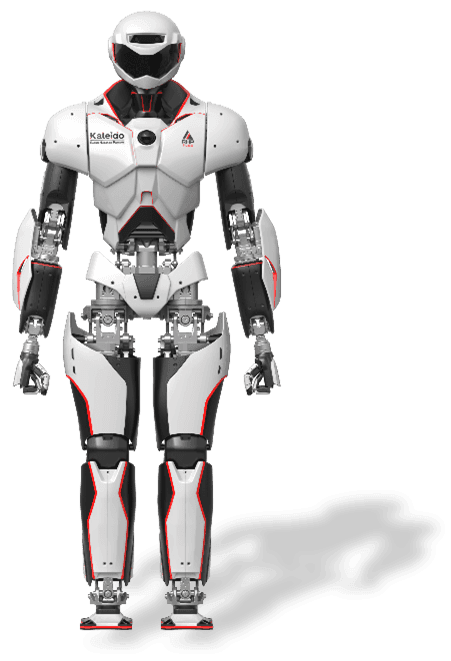
Kaleido is Kawasaki Heavy Industries' robust full-size humanoid, developed since 2015 with the first generation shown at iREX 2017 and now in its ninth generation. Kawasaki states it is about 180 cm and 80 kg with a structure rugged enough to withstand falls; the latest version adds LiDAR-based autonomous walking and VR teleoperation.
Long-running R&D / demonstration platform (current generation Kaleido 9), shown at iREX; targeted at disaster-response and factory support around 2030. Not commercially available.
Estimated value & depreciation
Kawasaki Heavy Industries hasn’t published a price for the Kaleido — it’s sold by quote, deployed in pilots, or not yet released. See the source and purchase notes above for the current buying status.
Sold or bought one? Report the price → — real sales are how these used values get built. Or work out what any robot is worth →
Depreciation curve
A depreciation curve appears once this model has a published price.
Our tracking record
What we've checked on this robot, when we last looked, and where the number came from. Nothing here is estimated.
- Tracking since
- Last checked
- Not re-checked since it was added
- Price on record
- No public price
- Where it comes from
- Kawasaki Heavy Industries
Kawasaki Heavy Industries hasn't published a price for the Kaleido. We re-check the source above and publish a number after verification. Follow market updates for dated findings.
US availability & the FCC Covered List
Built in Japan, which puts it in the FCC's "foreign-produced" bucket. New models need a US Department of War sign-off before they can be sold here.
Built in Akashi source.
Frequently asked
How much does the Kawasaki Heavy Industries Kaleido cost?
Kawasaki Heavy Industries hasn’t published a public price for the Kaleido — Long-running R&D / demonstration platform (current generation Kaleido 9), shown at iREX; targeted at disaster-response and factory support around 2030. Not commercially available.
Is the Kawasaki Heavy Industries Kaleido available to buy?
Announced. Long-running R&D / demonstration platform (current generation Kaleido 9), shown at iREX; targeted at disaster-response and factory support around 2030. Not commercially available.
What are the Kawasaki Heavy Industries Kaleido’s specifications?
It is a bipedal humanoid robot, debuting 2017: 5'11" (1.8 m) tall, 176 lb (80 kg).
Spot an error? Report a correction →
Similar robots

Rankings featuring this robot
Used values are low-confidence modeled ranges based on the sourced new price, age, tier, and condition—not observed resale transactions or a formal appraisal. Specs verified against the primary source. How we value → · All humanoid robots → · What humanoid robots cost →