Humanoid robots
A humanoid robot is built to the human template — a torso, arms, and usually legs — so it can work in spaces and with tools made for people. As of October 2026, 11 of the 55 humanoids Valumech tracks carry a manufacturer-published price, from $2,499 for the Zeroth Robotics M1 to €98,000 (≈$109,600) for the NEURA Robotics 4NE-1; the median is ≈$24,200. 11 priced models are listed as shipping or preorder, including 7 marked shipping. These catalog labels do not confirm current stock. The other 44 humanoids have no verified public price.
Want the numbers first? The full humanoid robot price guide lists every published price, cheapest first, with the tier bands. This page is the map of the whole field — what a humanoid actually is, and how to tell 55 of them apart.
The humanoids worth knowing first
These 8 are picked by rule: the cheapest priced models listed as shipping or preorder, the single priciest with a published price, then the most-searched flagships in the catalog — so the shortlist spans the market instead of clustering at the cheap end. Cards reading “Not publicly priced” are the models for which we have no verified public price. Check dated buying evidence for stock and purchase routes.
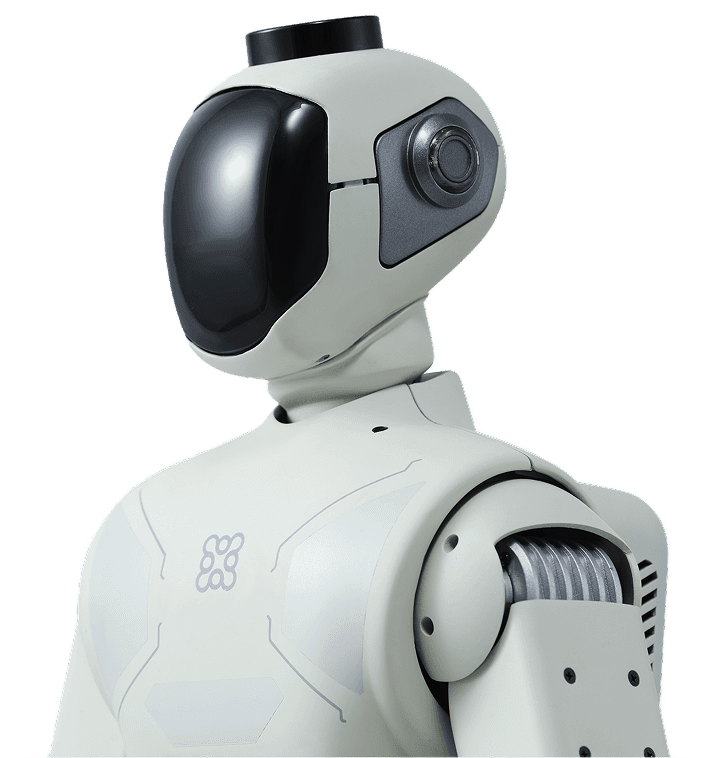 Pre-orderBipedal
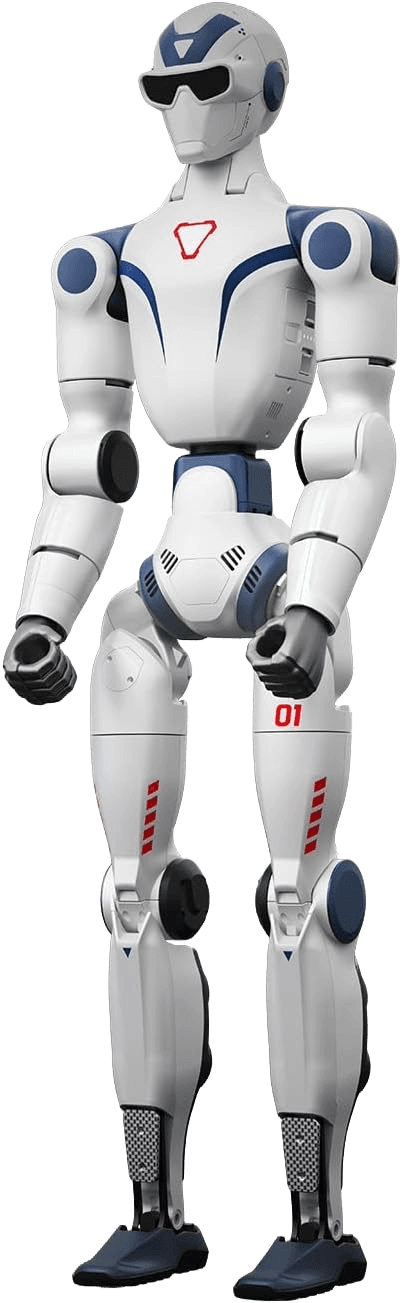 ShippingBipedal
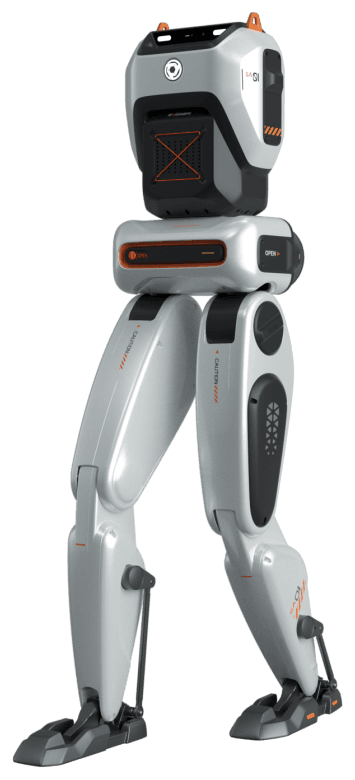 ShippingBipedal
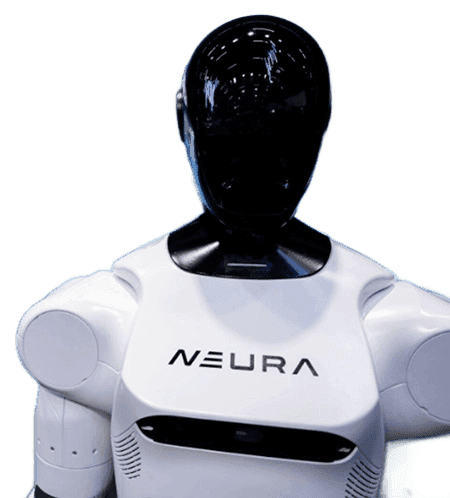 Pre-orderBipedal
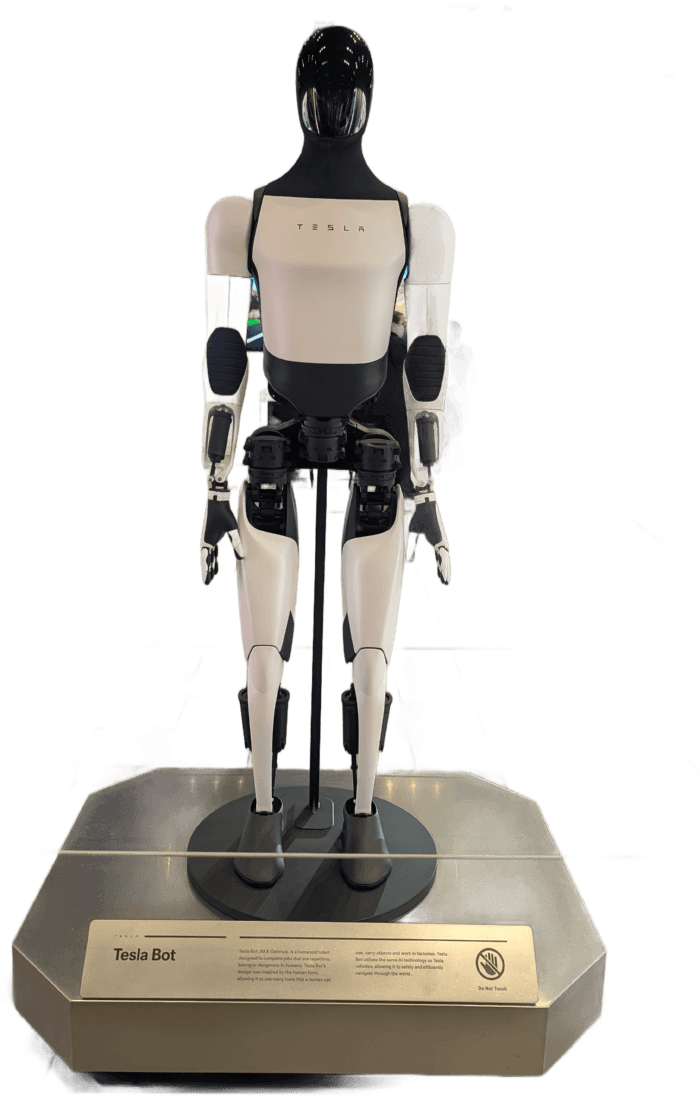 AnnouncedBipedal
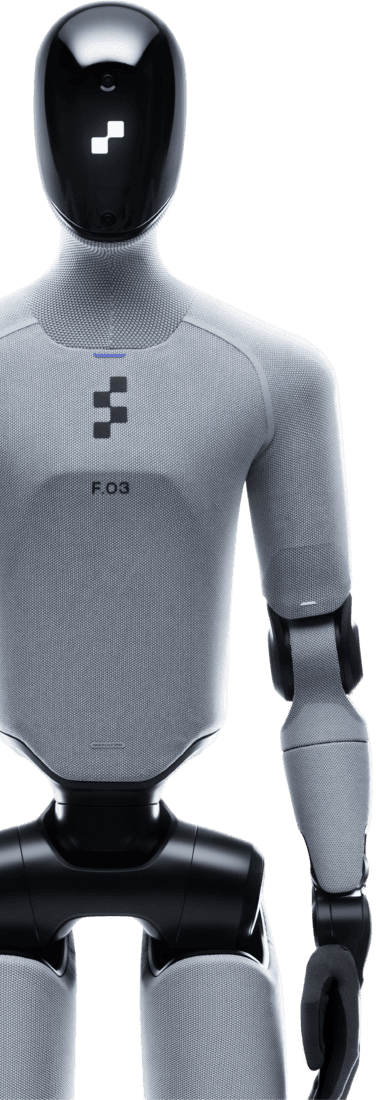 ShippingBipedal
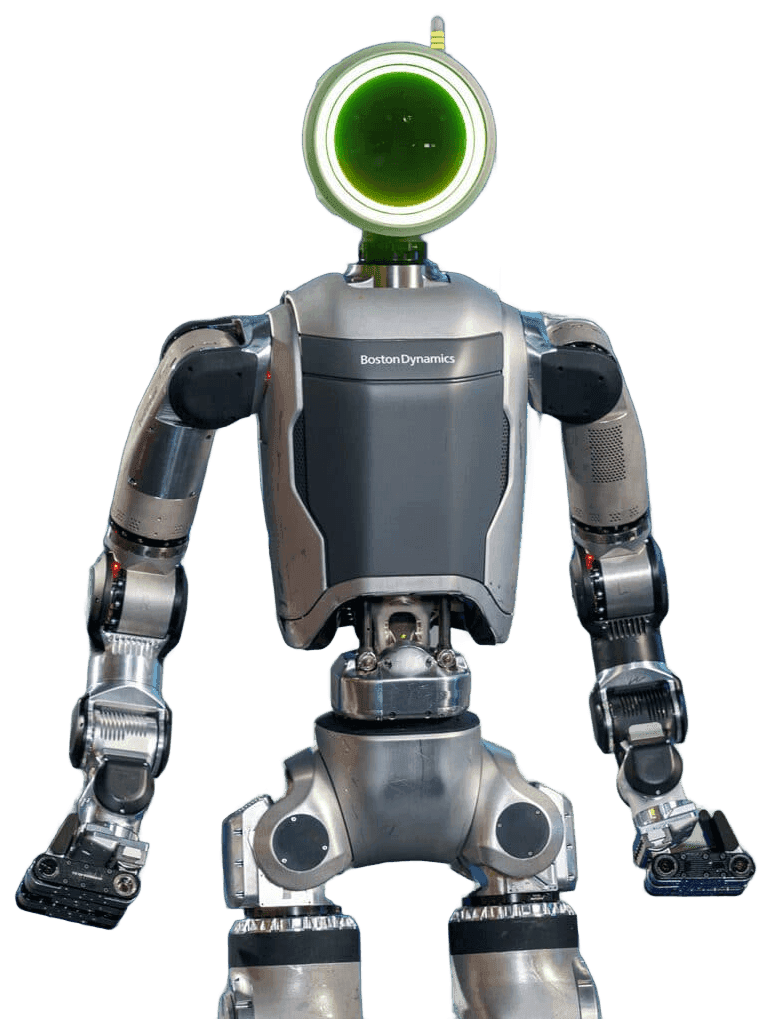 AnnouncedBipedal
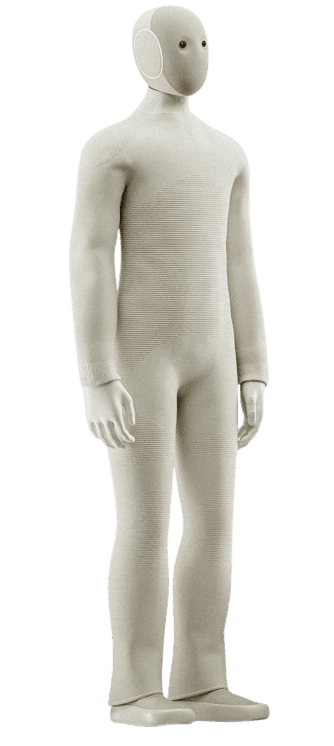 Pre-orderBipedal
Form isn’t capability
Of the 55 humanoids here, 48 walk on two legs, 6 roll on a wheeled base, and 1 — the Engineered Arts Ameca — never leaves its spot. They all sit in the same category because “humanoid” describes the job, not the chassis: a human-shaped torso and arms, meant for human spaces and human tools. A wheeled 1X Technologies EVE is still a humanoid; a wheeled delivery cart is not.
And stationary doesn’t mean simple. The Engineered Arts Ameca has 61 degrees of freedom — among the most articulated machines in the catalog — spent entirely on an expressive face and upper body rather than on walking. The 6 wheeled models trade legs for a rolling base to run longer and carry more indoors: Sanctuary AI Phoenix, PAL Robotics ARI, Hexagon AEON, Sharpa North, 1X Technologies EVE, Pudu Robotics D7. Filtering by build is useful, so long as you remember it isn’t a capability ranking.
The famous ones mostly aren’t for sale
The 11 priced humanoids stretch from a desktop learning biped — Zeroth Robotics M1 at $2,499 — up to six-figure enterprise machines like the NEURA Robotics 4NE-1 at €98,000 (≈$109,600). Somewhere in the middle sits the reference “real, affordable” humanoid most people mean.
But the household names — Tesla Optimus, Figure’s 03, Boston Dynamics’ Atlas, Apptronik’s Apollo — carry no public price at all. They sell to businesses by quote or run in pilots, so the models you can read about are rarely the models you can buy. For the full cheapest-first ladder and tier bands, see the humanoid robot price guide; to sort and filter every spec, use the directory.
Dexterity is the spec buyers skip
Height and price are easy to compare; hands are what actually decide whether a humanoid can do useful work. Degrees of freedom (DoF) — the count of independently moving joints — is the rough proxy, and the spread is enormous: from the PAL Robotics ARI’s 14 up to the Clone Robotics Protoclone’s 200. Two robots at a similar price can be worlds apart here.
Treat DoF as a hint, not a verdict: it counts joints, not grip strength, sensing, or software — and 19 of the 55 humanoids don’t disclose a figure, so Valumech leaves those blank rather than guess. The most-dexterous ranking and the anatomy of a humanoid go deeper on what the joints are for.
How much of this market you can actually buy
44 of the 55 humanoids have no public price, and that’s normal for a market this young: 20 are still pre-launch announcements, and most enterprise flagships are sold business-to-business by quote after a pilot. 7 humanoids both carry a published price and are marked shipping in the catalog; that label does not confirm current stock. Valumech shows a verified price or not publicly priced — never a guess. When a maker itemizes extras (dexterous hands, compute, support), the model page says so.
Frequently asked
What counts as a humanoid robot?
A robot built to the human template — torso, arms, usually a head — for human spaces and tools. Movement doesn't decide it: of the 55 Valumech tracks, 48 walk on two legs, 6 roll on wheels, and 1 is fixed in place.
How many humanoid robots can you actually buy?
As of October 2026, 11 of the 55 tracked humanoids have a published price. 7 are marked shipping in the catalog, but stock, checkout eligibility, and delivery dates require a seller check. Our buying guide separates checkout, reservations, and purchase inquiries with dated evidence.
What is the cheapest humanoid robot?
The Zeroth Robotics M1 at $2,499 (not marked shipping). The cheapest model marked shipping in the catalog is the Unitree Robotics R1 at $4,900; confirm current stock with the seller. Prices are the makers' own figures — quote-only models are left blank, not estimated.
Why don't Tesla Optimus and Figure have prices?
44 of the 55 humanoids we track have no public price: 20 are still pre-launch announcements, and many shipping flagships sell business-to-business by quote. Valumech shows "not publicly priced" rather than repeating targets — Optimus's $20k–30k is Musk's goal, not a list price.
What is the most expensive humanoid robot?
The NEURA Robotics 4NE-1 at €98,000 (≈$109,600) is the priciest with a published price, as of October 2026. The median across the 11 priced humanoids is ≈$24,200. Famous flagships often cost more but quote privately.
Go deeper on humanoids
The Bipedal filter covers the 48 walkers; the other 7 humanoids are wheeled or stationary, so use the plain directory to see them all.